
Publications
Selected Publications
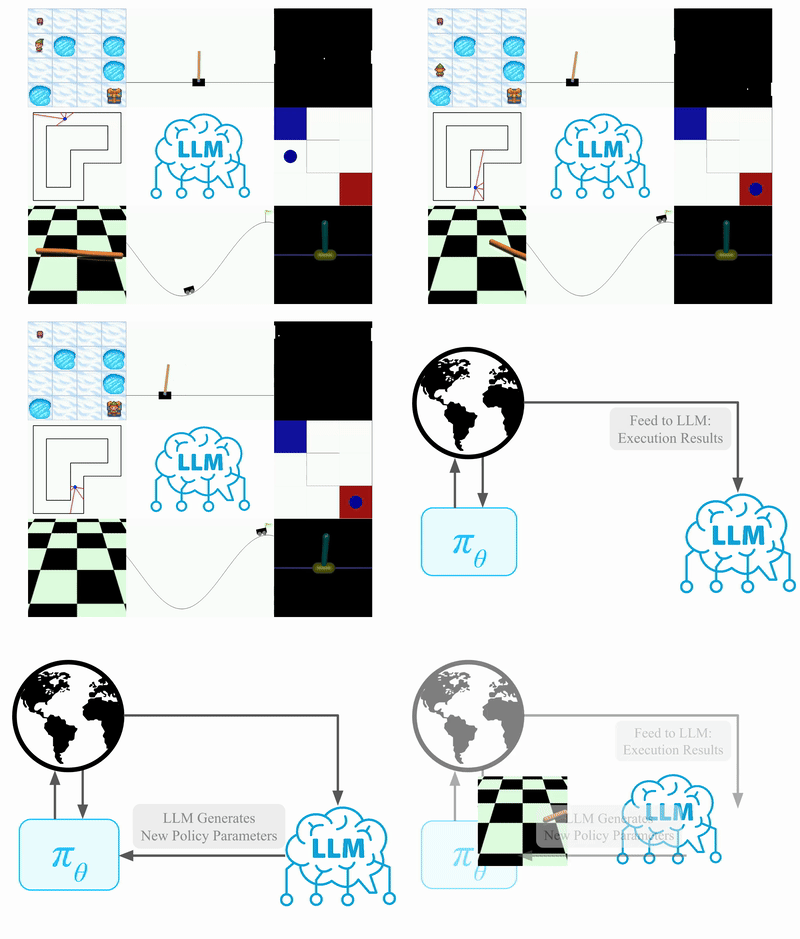 | Yifan Zhou, Sachin Grover, Mohamed El Mistiri, Kamalesh Kalirathinam, Pratyush Kerhalkar, Swaroop Mishra, Neelesh Kumar, Sanket Gaurav, Oya Aran, Heni Ben Amor NeurIPS, 2025 website / paper / arxiv / code Introduces Prompted Policy Search (ProPS), which places an LLM at the center of the policy optimization loop, proposing policy updates from both reward feedback and natural language input such as goals, domain knowledge and strategy hints. Across 15 Gymnasium tasks, ProPS outperforms all seven popular RL baselines (e.g., PPO, SAC, TRPO) on 8 tasks. |
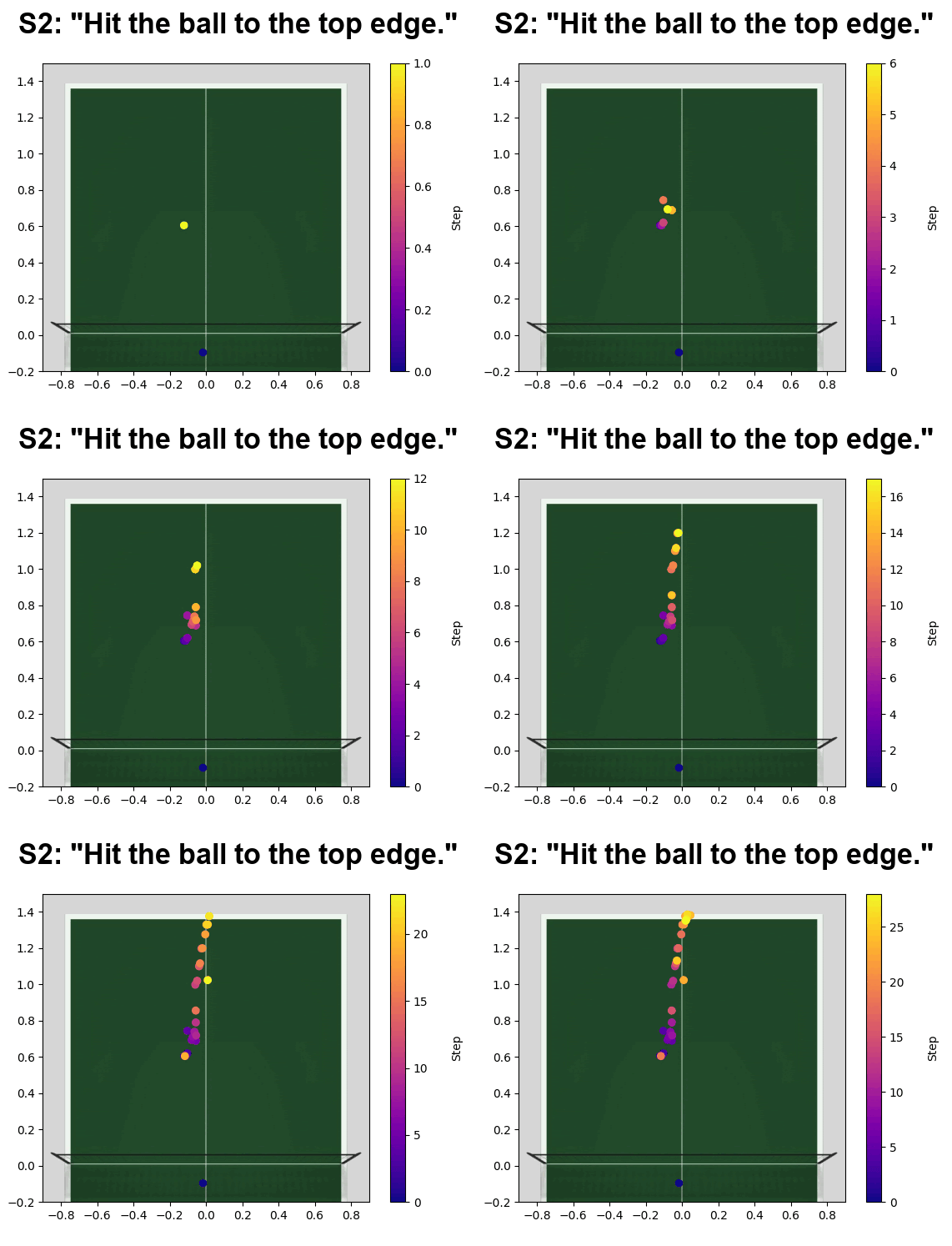 | Heni Ben Amor, Laura Graesser, Atil Iscen, David D'Ambrosio, Saminda Abeyruwan, Alex Bewley, Yifan Zhou, Kamalesh Kalirathinam, Swaroop Mishra, Pannag Sanketi ICRA, 2025 website / arxiv / video / code Demonstrates that LLMs can perform stochastic numerical optimization in context, and introduces the SAS Prompt (Summarize, Analyze, Synthesize), which enables an LLM to iteratively improve robot policies by learning from previous robot traces. Evaluated in simulation and on a real-robot table tennis task. |
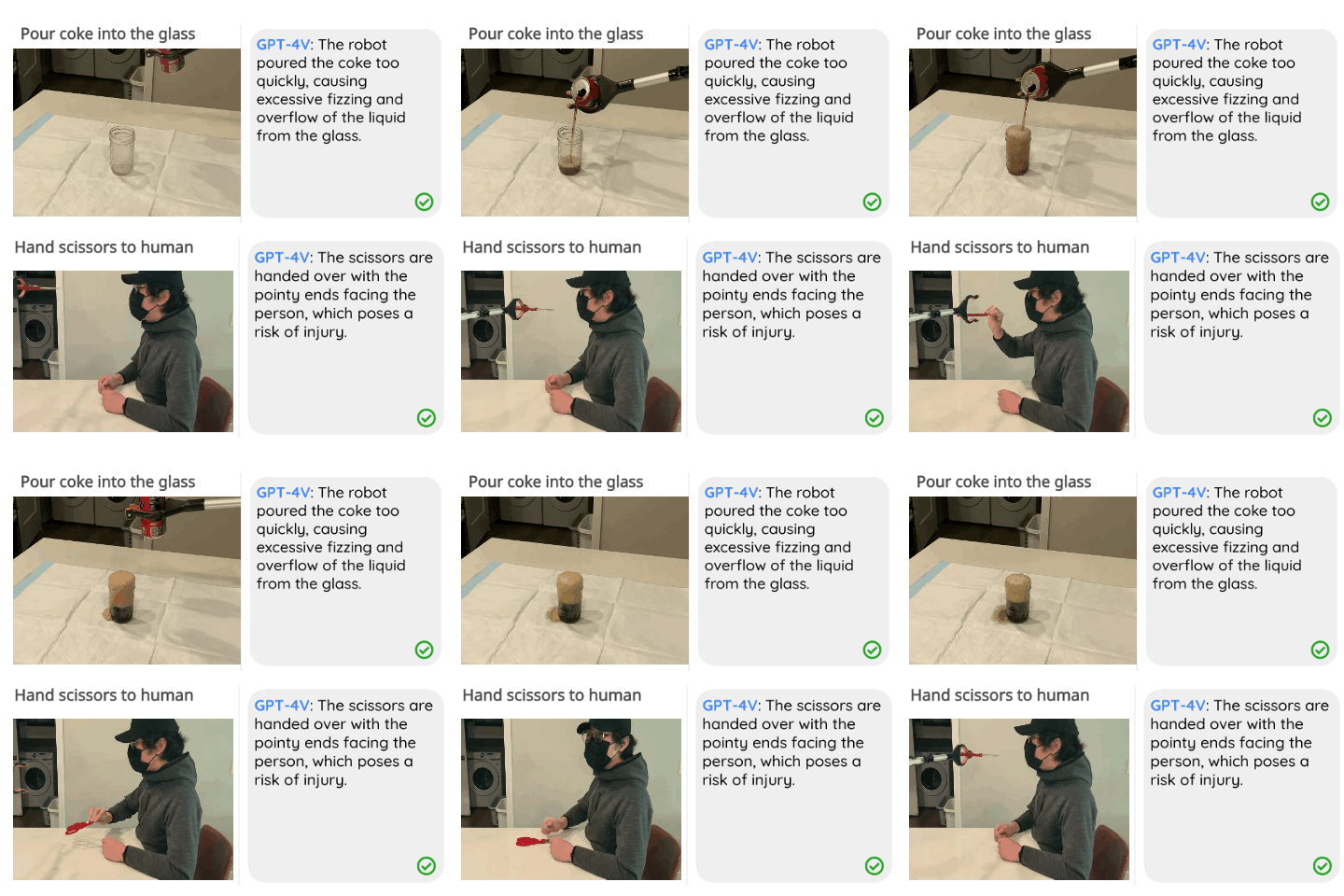 | Lin Guan*, Yifan Zhou*, Denis Liu, Yantian Zha, Heni Ben Amor, Subbarao Kambhampati COLM, 2024 website / arxiv / code When no sound verifier is available, can we use large vision and language models (VLMs), which are approximately omniscient, as scalable Behavior Critics to catch undesirable embodied agent behaviors in videos? To answer this, we first construct a benchmark that contains diverse cases of goal-reaching yet undesirable agent policies. Then, we comprehensively evaluate VLM critics to gain a deeper understanding of their strengths and failure modes. |
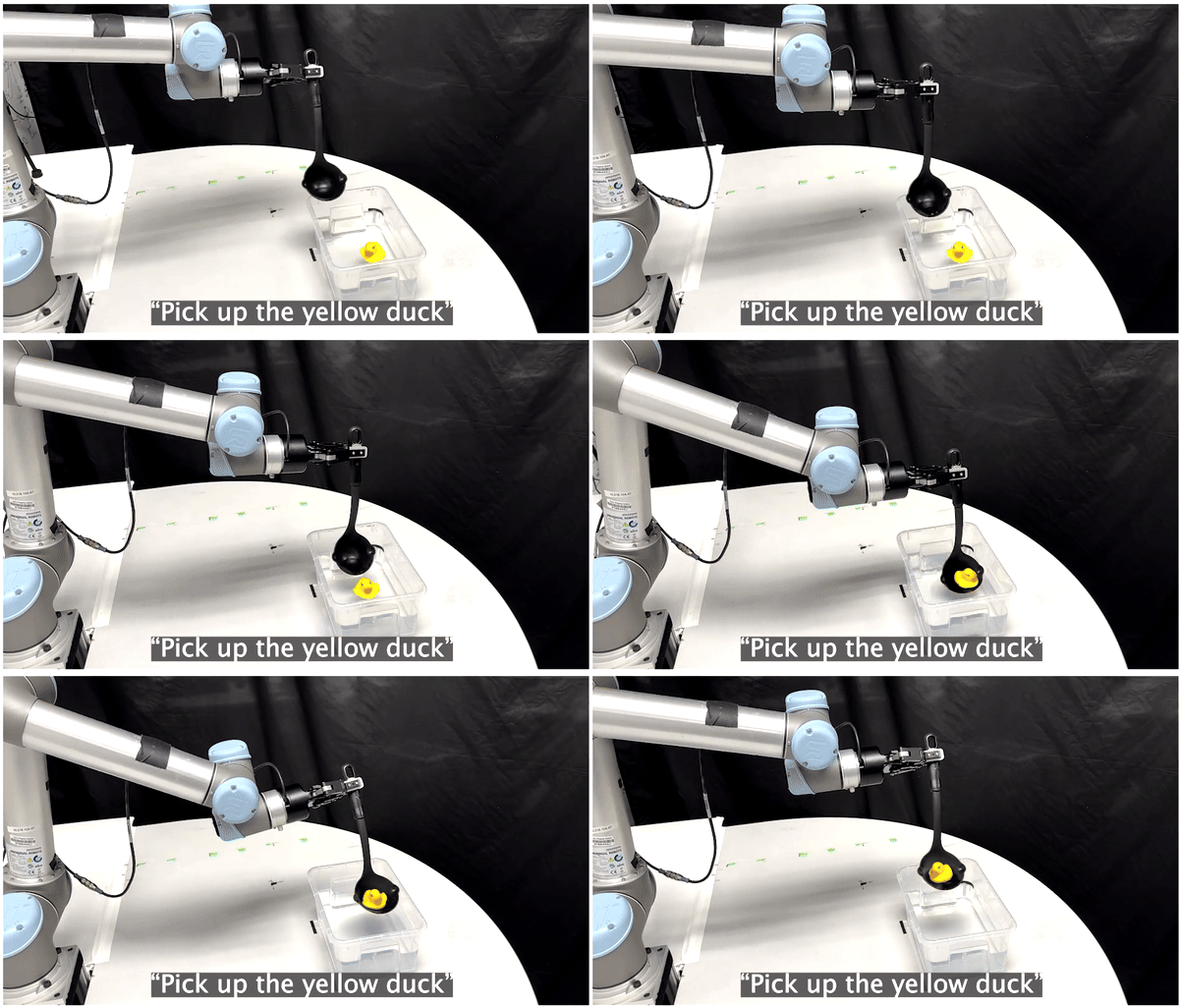 | Xiao Liu, Yifan Zhou, Fabian Weigend, Shubham Sonawani, Shuhei Ikemoto, Heni Ben Amor IROS, 2024 website / paper / video / code Introducing Diff-Control Policy, which incorporates ControlNet functioning as a transition model that captures temporal transitions within the action space to ensure action consistency. |
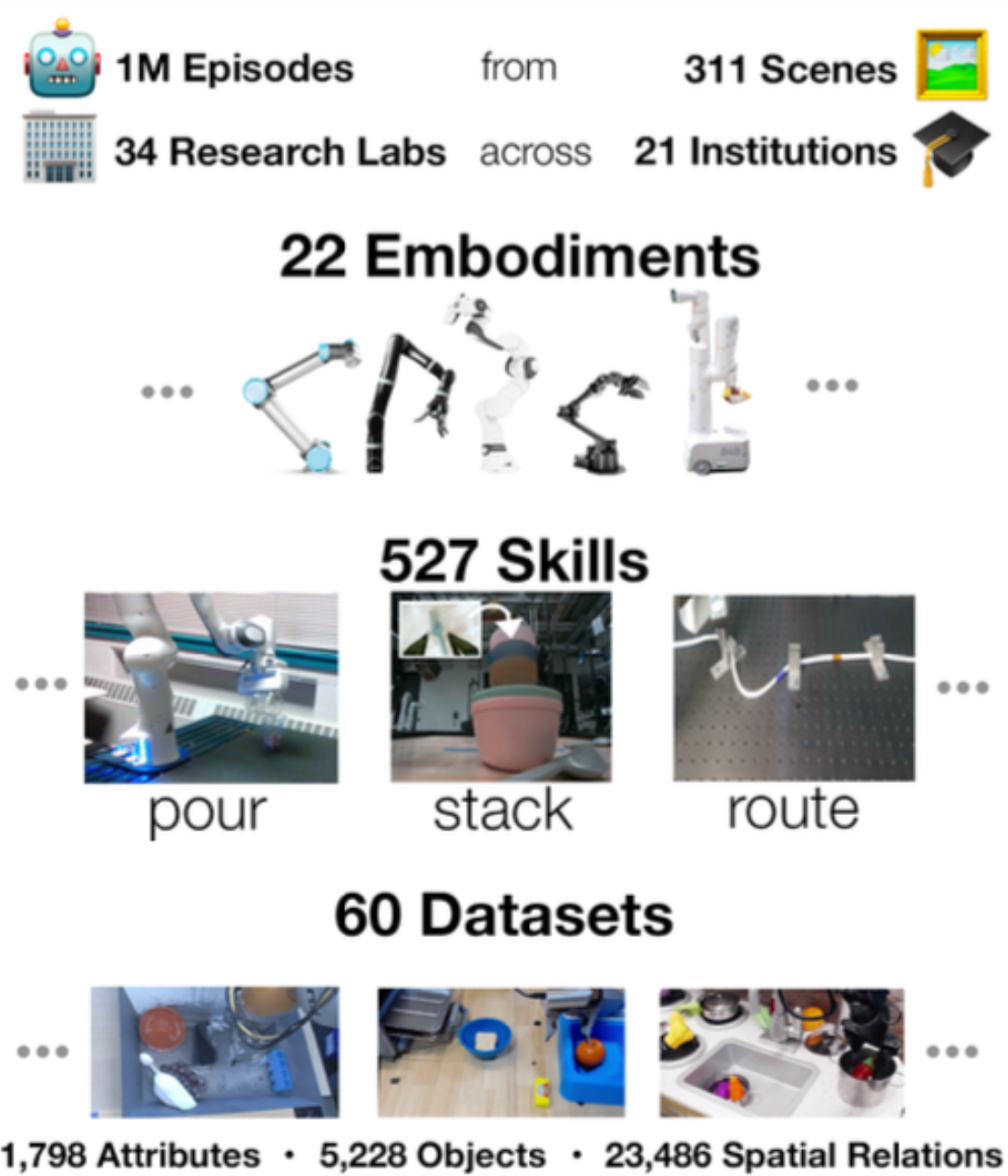 | Open X-Embodiment Collaboration ICRA, 2024 Best Conference Paper Award website / arxiv / blog / code / data In this paper, we assemble a dataset from 22 different robots collected through a collaboration between 21 institutions, demonstrating 527 skills (160266 tasks). We show that a high-capacity model trained on this data, which we call RT-X, exhibits positive transfer and improves the capabilities of multiple robots by leveraging experience from other platforms. |
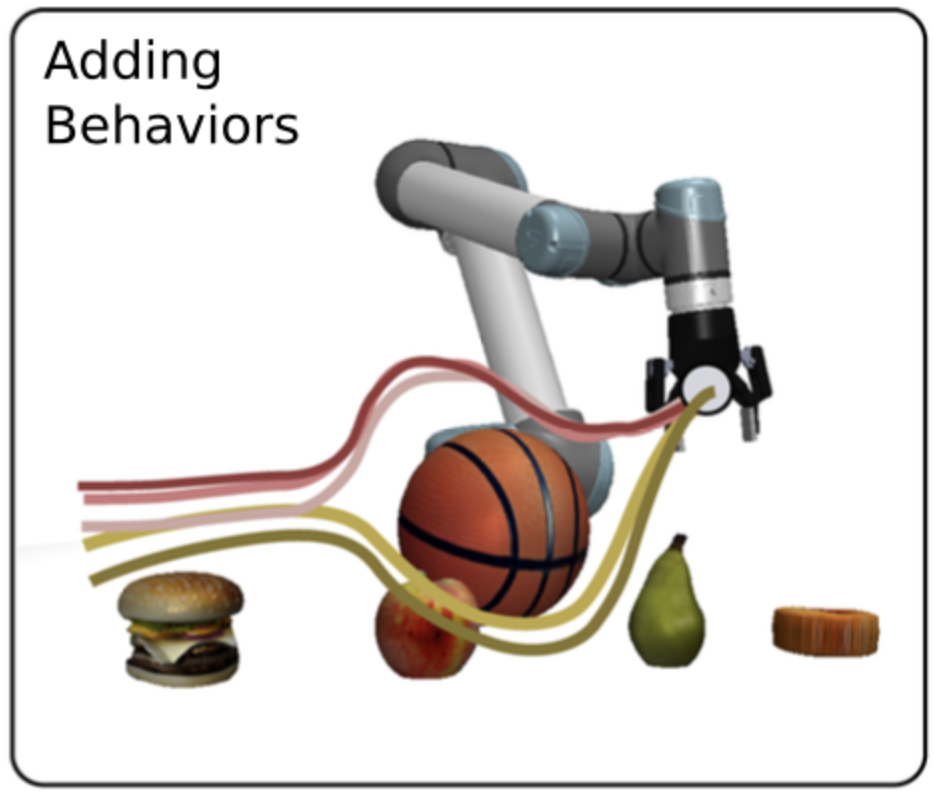 | Yifan Zhou, Shubham Sonawani, Mariano Phielipp, Heni Ben Amor, Simon Stepputtis Autonomous Robots, 2023 website / paper / code Our proposed method is an imitation learning method for language-conditioned robot policies. It demonstrates high performance on a variety of tasks. It is able to transfer to new robots in a data-efficient manner, while still keeping a high execution performance. It also accepts adding new behaviors to an existing trained policy. |
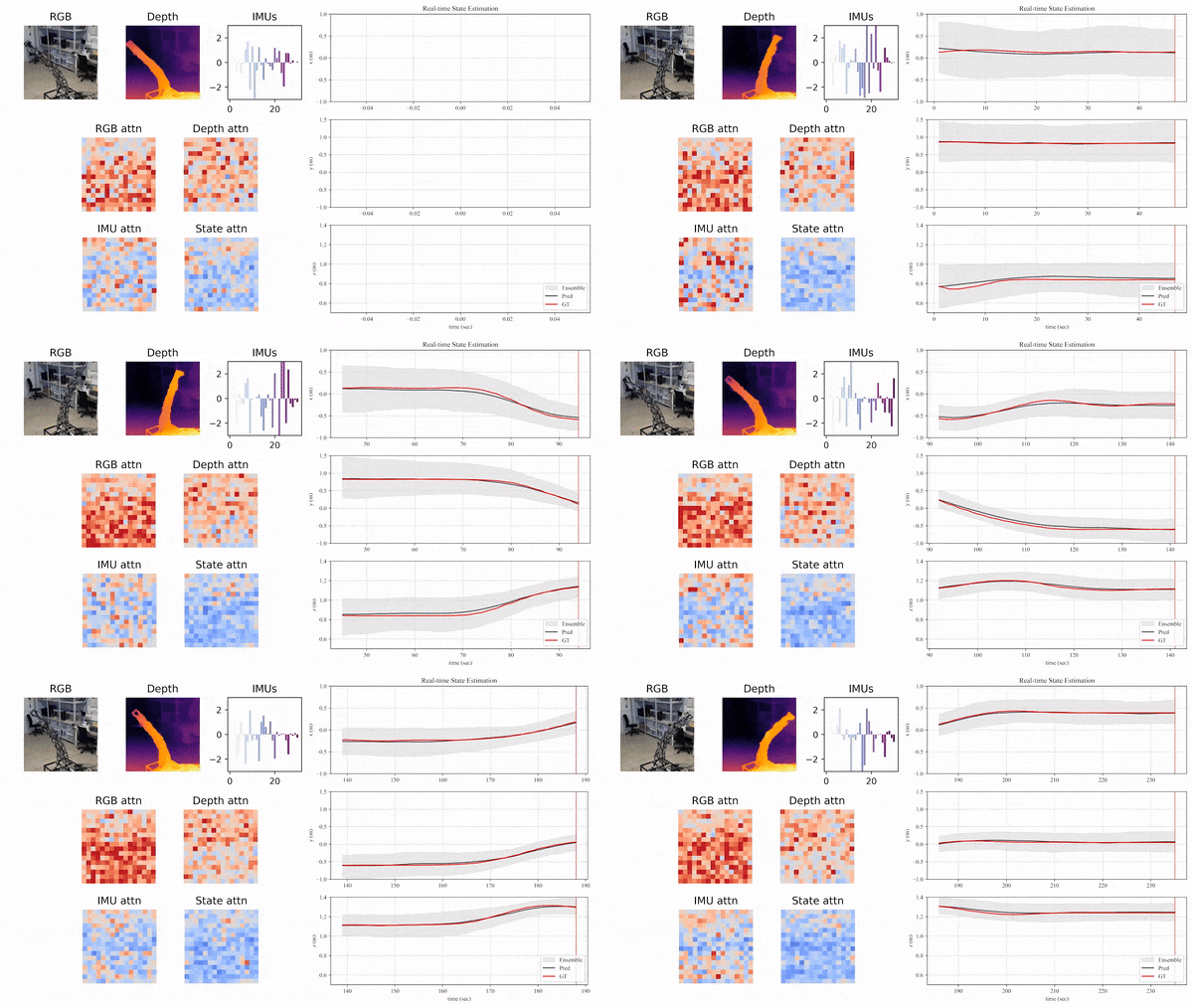 | Xiao Liu, Yifan Zhou, Shuhei Ikemoto, Heni Ben Amor CoRL, 2023 website / paper / video / code α-MDF is an attention-based multimodal differentiable filter framework, the framework establishes the link between modern neural attention and Kalman Filters for robot state estimation. |
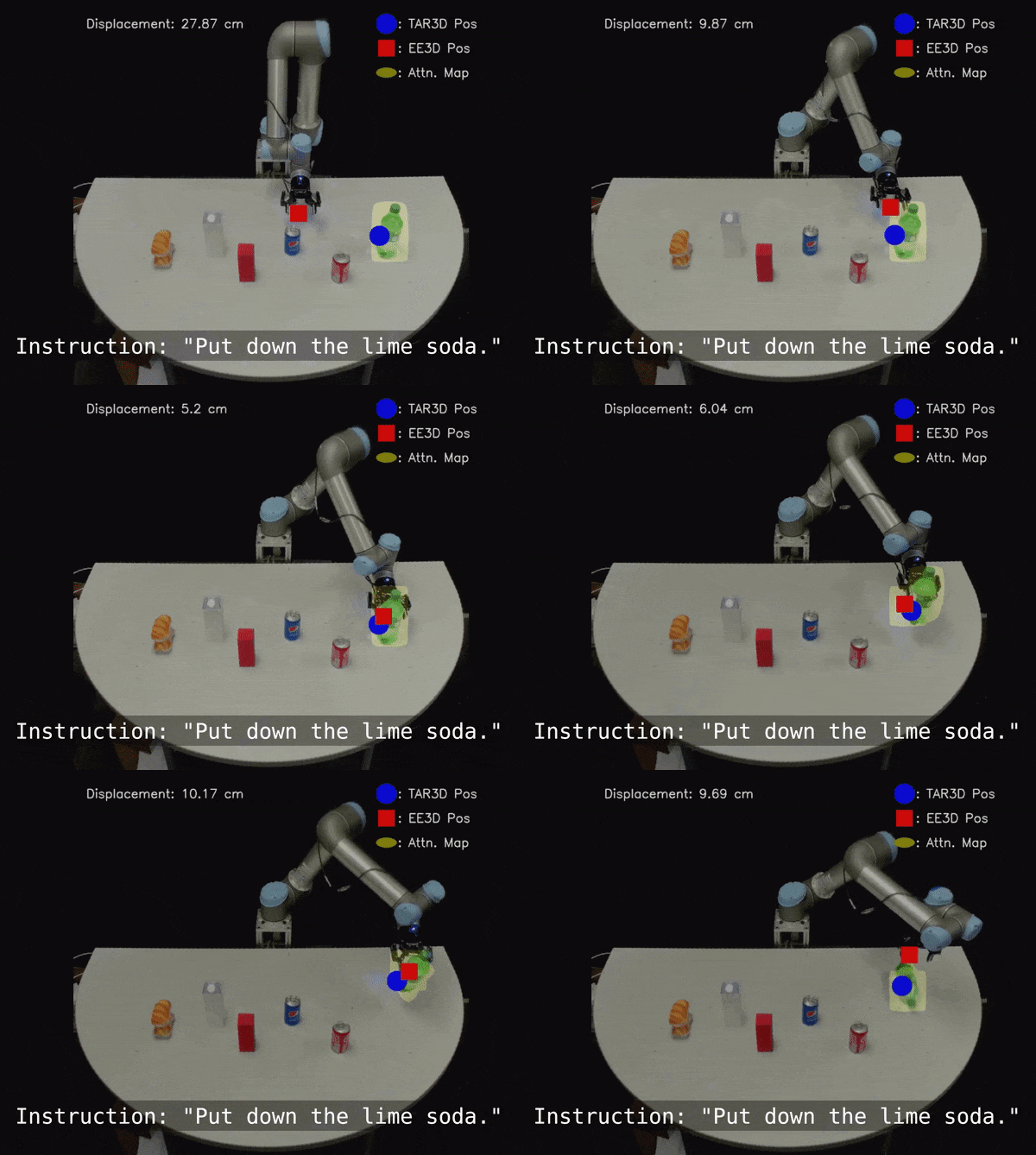 | Yifan Zhou, Shubham Sonawani, Mariano Phielipp, Simon Stepputtis, Heni Ben Amor CoRL, 2022 website / arxiv / video / code Proposing a sample-efficient approach for training language-conditioned manipulation policies that allows for rapid training and transfer across different types of robots. By introducing a novel method, namely Hierarchical Modularity, and adopting supervised attention across multiple sub-modules, we bridge the divide between modular and end-to-end learning and enable the reuse of functional building blocks. |